Hamilton Family Home
The Birthday PartyThe Hamilton Family Home is both the domestic center of Kathy Hamilton’s family and a public-facing image of their security. Its spacious kitchen and cool interior initially offer shelter from the heat; after Charlie Hamilton disappears, the house becomes a place of anxious waiting watched by reporters and police. The contrast between the comfortable home and the secrets Detective Chase Cooper expects to find beneath appearances gives the setting a role in the novel’s tension between respectability and private crisis.
Setting and First Impression
The story introduces the home in Maple Falls, Vermont, through a summer morning in its spacious kitchen. Sunshine streams through the window, while the air-conditioning keeps the interior cool despite a heatwave entering its fourth day. Outside, the temperature has been climbing for a week, and the contrast makes the house feel like a refuge from the oppressive weather. In that ordinary domestic light, Kathy looks at five-year-old Charlie, whose fine blonde hair glows in the sun and recalls Mitch Hamilton’s lighter hair when they first met.
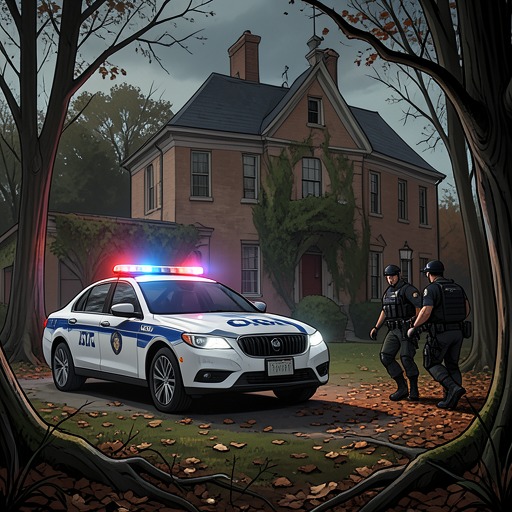
The home is also presented from the street, where Detective Chase Cooper sees a landscaped yard, two expensive cars in the driveway, and a solid oak front door. These details suggest comfort and status, but Chase distrusts the impression they create: he believes the family wants passersby to see the house and lifestyle, while the secrets beneath that polished surface remain hidden. The setting thus establishes, from the outset, a gap between a reassuring exterior and a more complicated family life.
A Household Under Strain
The house’s everyday routines continue against the strain in Kathy and Mitch’s marriage. After a session with Jan, Kathy returns home in a separate car and finds the interior cool, but the girls are not there. Unable to face cooking, she considers ordering dinner and calls Fay Hamilton, then Megan Carter, who was due to collect Charlie at four. Neither answers. The familiar kitchen and household tasks become the backdrop to growing uncertainty about where the family members are.
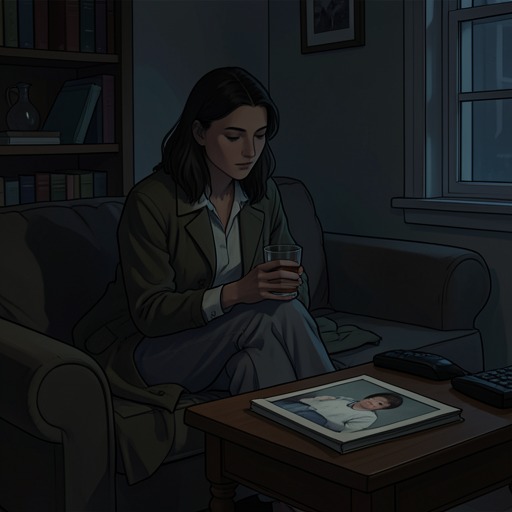
The home is not simply a refuge from the heat; its domestic calm cannot restore the trust Kathy feels has disappeared from her marriage. Earlier, Jan suggests that the couple try more nights out together, but Kathy reflects that dates have brought physical intimacy without repairing their distrust. The house consequently sits within a family life whose outward routines persist even as its central relationship feels increasingly fragile.
From Private Home to Public Scene
After Charlie’s disappearance, the house is exposed to public scrutiny. Kathy peers through closed kitchen blinds at three news vans outside, recognizes local television reporter Tammy Arlette, and sees that the family’s home is being shown on television. The reporters’ presence makes her feel as though she is a criminal, turning the household’s apparent privacy into a spectacle. She steps away from the window rather than risk being seen.
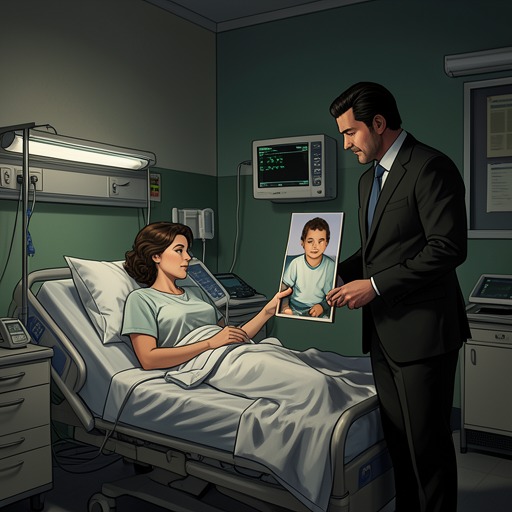
A uniformed female officer watches the house from a police cruiser. Chase has described the presence as protection, and the officer periodically brings updates from him; those visits give Kathy hope that he is doing everything he can to find Charlie. At the same time, Kathy worries that the surveillance may mean Chase suspects her or Mitch. The house therefore holds two competing meanings: it is where the family waits for news and receives police updates, yet it is also a watched location under suspicion and media attention.
Mitch responds to the crisis by leaving the house to oversee a renovation property he has partnered on with Scott Bowers. The contractors have been booked for weeks, and rescheduling would be expensive; the practical reason for continuing the work also gives Mitch something to occupy himself with. His departure underscores how the home, though central to the family’s waiting, cannot contain or resolve the pressure surrounding Charlie’s disappearance.